MARBLE THE STONE LIBRARY
Egyptian Travertine (Travertina).
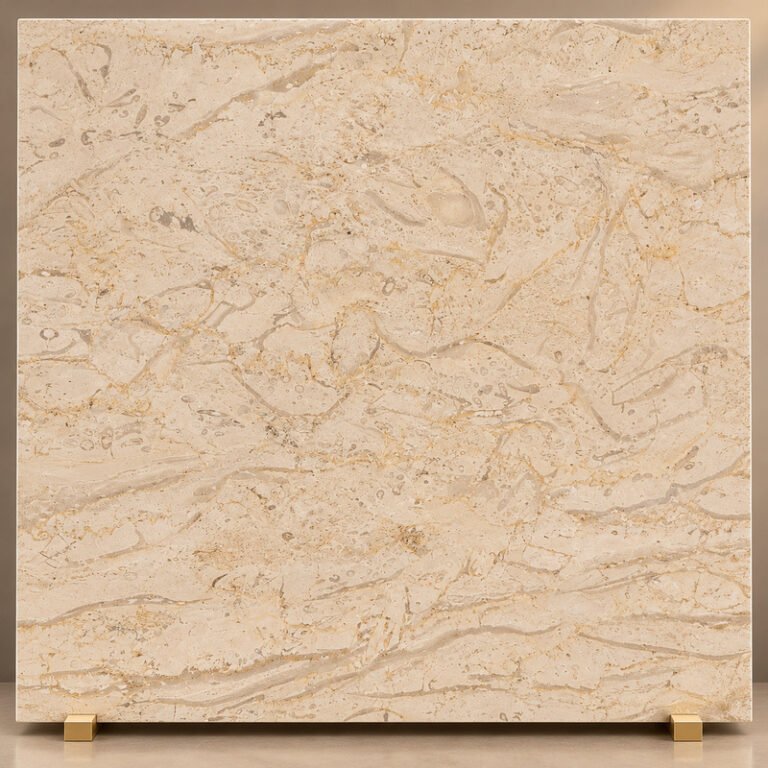
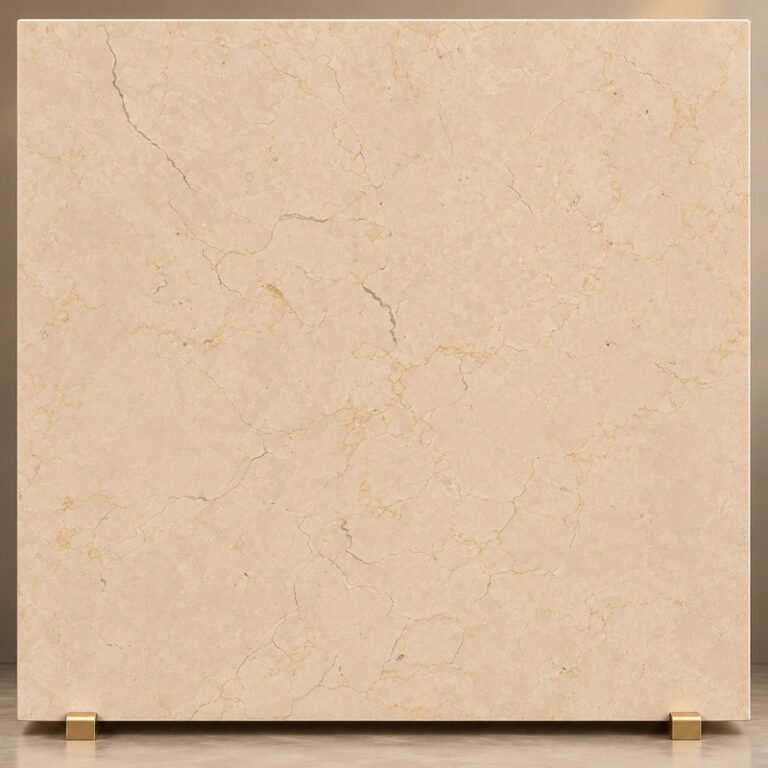
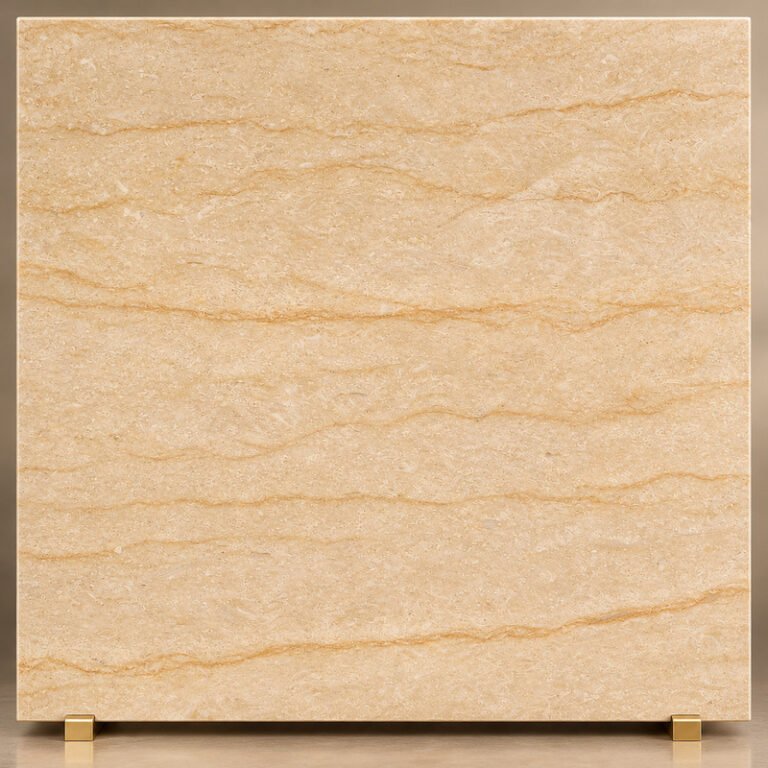
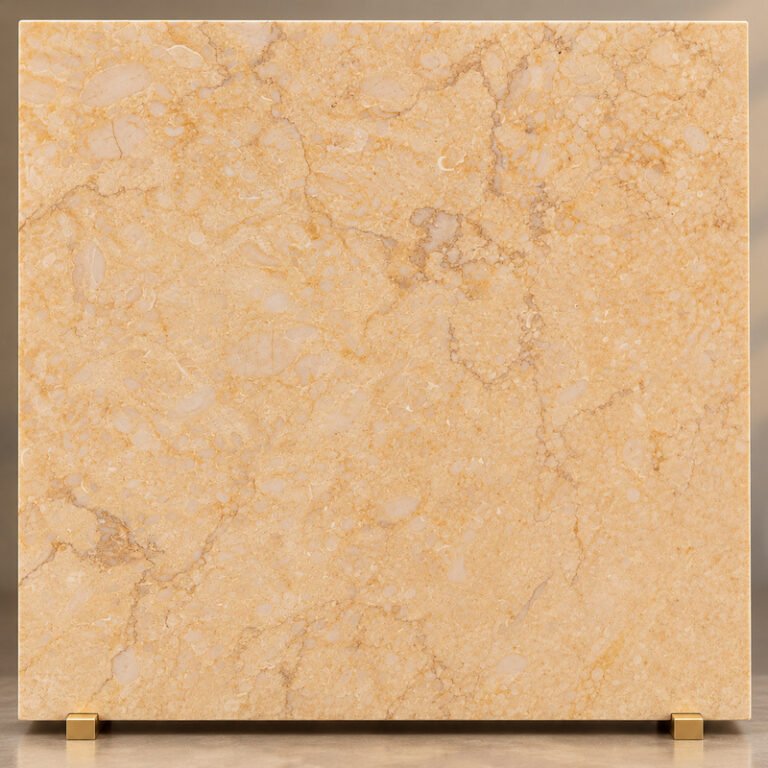
Travertina is a distinctive natural stone featuring rich honey-gold, warm amber, and golden-beige tones with flowing cream-colored veins and characteristic porous formations. Its layered appearance creates a warm architectural aesthetic, making it an attractive material for interior wall cladding, flooring, decorative panels, staircases, and selected exterior applications.
- ORIGIN
- Egypt — exact quarry location to be confirmed for the Godran Stones material.
- PRIMARY COLOR(S)
- Honey Gold, Golden Beige, Amber, Caramel Brown, Cream, and Ivory.
- RECOMMENDED USAGE
- Interior Flooring, Wall Cladding, Staircases, Decorative Wall Panels, Feature Walls, Fireplace Surrounds, Reception Areas, Architectural Elements, and selected Exterior Cladding and Paving Applications. Exterior flooring and wet-area applications require suitable finish selection, slip-resistance testing, and project-specific approval.
- ADDITIONAL NAMES
- Egyptian Travertine, Traventine, Travertino.
Surface finishes
VISUAL REFERENCES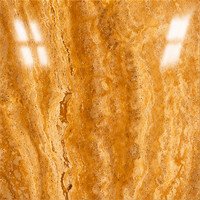
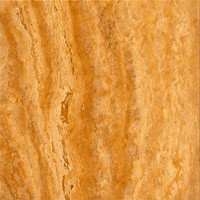
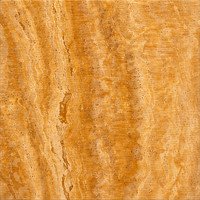

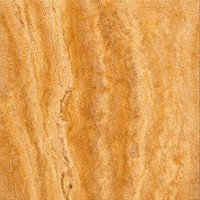
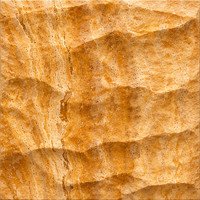
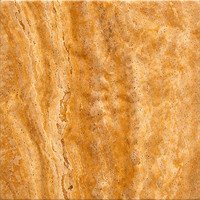
Natural detail.
Lasting impression.
Natural Golden Layers. Distinctive Architectural Character.
Travertina is a calcium-carbonate natural stone distinguished by its warm golden coloring, layered formations, and characteristic natural pores.
Its surface displays flowing cream and golden-beige bands across a rich honey-colored background. The irregular distribution of veins, mineral deposits, and small cavities creates a distinctive appearance that varies from one slab to another.
Travertine forms through the precipitation of calcium carbonate from mineral-rich water. This natural formation process produces characteristic layers, bands, and pores that contribute to the stone’s visual identity.
The material is used in residential and commercial architectural projects, particularly for wall cladding, flooring, decorative surfaces, and stone features.
Travertina can be processed into slabs, tiles, and cut-to-size architectural elements. Depending on production requirements, its natural cavities may be left open or filled before finishing.
Different surface treatments influence its final appearance. Polishing enhances the depth of its golden tones, while honed and brushed finishes provide softer surface characteristics. Textured treatments emphasize its natural structure.
Key Material Characteristics
- Rich Golden Coloring: Honey, amber, caramel, and cream tones.
- Natural Layering: Flowing veins and irregular bands create distinctive patterns.
- Porous Structure: Naturally occurring cavities and mineral formations.
- Architectural Appeal: Suitable for decorative and selected functional applications.
- Surface Treatments: Smooth, matte, brushed, and textured finishing options.
- Natural Variation: Color, pores, banding, and veining differ between individual pieces.
Care & Maintenance
Clean Travertina using a pH-neutral cleaner suitable for calcium-carbonate natural stone.
Avoid acidic cleaners, abrasive materials, and harsh chemicals that may damage the stone.
Apply an appropriate natural stone sealer where recommended, especially for absorbent or high-use surfaces. Clean spills promptly and maintain any filled cavities according to the installation requirements.
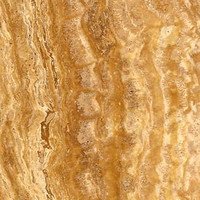
Travertina features a rich golden-orange and honey-beige background with flowing ivory and cream-colored veins.
Its natural pattern includes distinctive layered formations, scattered pores, and irregular mineral variations that create a warm, textured appearance.
The supplied stone sample displays strongly directional veining and golden color transitions. These characteristics become more prominent under polished finishes, while matte and textured treatments emphasize the stone's natural structure.
Sizes & thicknesses
| FORMAT | THICKNESS | DIMENSIONS / WIDTH |
|---|---|---|
| Slabs | 1.5–10 cm | Up to 200 × 300 cm |
| Tiles | 9 mm–10 cm | From 30 × 30 cm; up to 61 cm wide × variable lengths |
Technical specifications
- FINISHED SURFACE
- Polished, Honed, Brushed, Bush Hammered, Sandblasted, Split Face, Tumbled
- WATER ABSORPTION
- 0.31%
- DENSITY
- 2,620 kg/m³
- FLEXURAL STRENGTH
- 1,650 psi (11.38 MPa)
- COMPRESSIVE STRENGTH
- 13,400 psi (92.39 MPa